

Federal Civil Rights Lawsuit Alleges Discrimination by FSU Law Officials
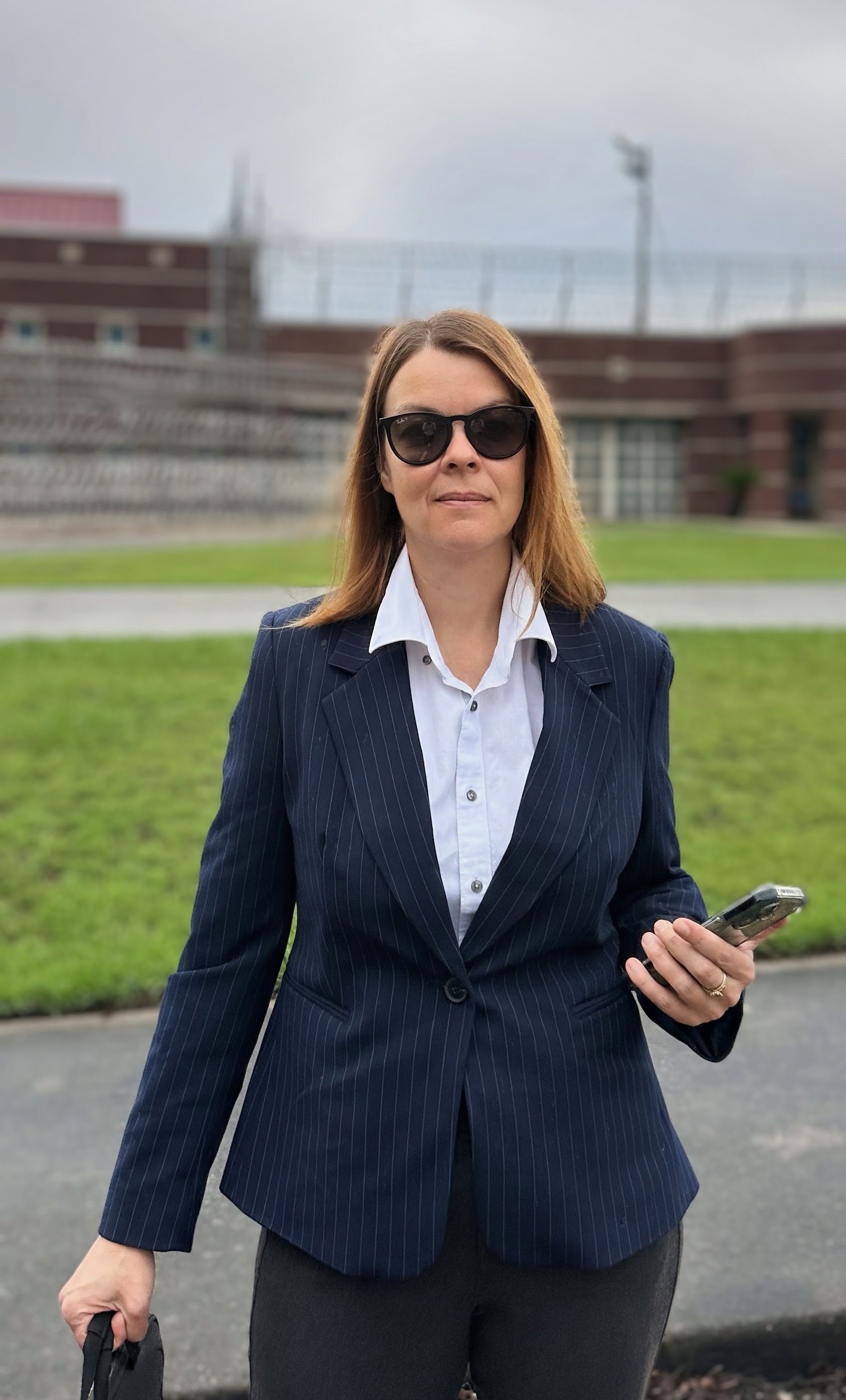
Elena Dvoinik, New York Attorney
Federal Lawsuit Alleges FSU Law Officials Questioned U.S. Citizen Student's English Ability Based on Her Russian Origin; Student Graduated Cum Laude
TALLAHASSEE, FL, UNITED STATES, August 12, 2026 /EINPresswire.com/ -- Federal Civil Rights Lawsuit Alleges FSU Law Officials Violated Student's Constitutional RightsVerified complaint alleges internal FSU emails obtained through Florida public-records requests triggered administrative actions despite plaintiff's successful academic performance and eventual graduation cum laude
A verified federal civil rights lawsuit filed in the U.S. District Court for the Northern District of Florida alleges that four Florida State University College of Law officials intentionally treated a student differently because of her perceived Russian national origin and perceived English-language characteristics, in violation of the Equal Protection Clause, and implemented actions affecting her enrollment without required procedural safeguards, in violation of the Due Process Clause. The case, Dvoinik v. Busch et al., No. 4:26-cv-00369, was filed pursuant to 42 U.S.C. § 1983.
According to the verified complaint, plaintiff Elena Dvoinik was born in Russia, applied to FSU Law as a citizen of Ukraine, and became a naturalized United States citizen before classes began in Fall 2023. The complaint alleges that university officials reviewed her Naturalization Certificate, confirmed her enrollment, and recognized her as an admitted LL.M. student before the events giving rise to the lawsuit.
The complaint alleges that the challenged actions began only after the Fall 2023 semester had ended and final examinations had concluded. Internal university emails, later obtained through Florida public-records requests, allegedly reveal that Legal Writing instructor Christopher Busch described Dvoinik as "Russian," asserted that she had told him English was her "2nd/3rd/4th language," that she "still thinks in Russian," and that she mentally translates between Russian and English. Busch further asserted that her English-language difficulties were "so profound" that she could not adequately read, analyze, and apply legal materials. The complaint alleges that Dvoinik never made those statements, communicated with Busch exclusively in English, and that his characterizations were false.
According to the complaint, Busch's December 12, 2023, email marked the first time any university official questioned Dvoinik's admission, academic qualifications, English-language ability, or continued participation in the LL.M. program. The complaint further alleges that the email immediately prompted discussions among senior administrators, who met privately the following day without notifying Dvoinik or providing an opportunity to respond. The complaint also alleges that none of the defendants contacted Dvoinik beforehand to verify Busch's assertions or obtain her explanation before making decisions affecting her academic status.
According to the complaint, university officials subsequently recommended English-language remediation, additional legal-writing instruction, curriculum changes, and postponement of Dvoinik's anticipated graduation. The complaint further alleges that those events culminated on January 17, 2024, when Professor Cecelia Smith informed Dvoinik, in the presence of classmates, that she could no longer remain enrolled in Advanced Legal Writing because she was "a foreigner who did not understand English." The complaint further alleges that, when Dvoinik responded that she was a naturalized U.S. citizen who spoke English fluently, Smith appeared surprised and stated, in substance, that Associate Dean Nancy Benavides had instructed her to remove Dvoinik from the course. The complaint further alleges that Dvoinik was administratively withdrawn after the University's add/drop deadline without prior written notice or a meaningful opportunity to challenge the decision, preventing enrollment in another Spring 2024 course.
Despite these events, Dvoinik completed all LL.M. degree requirements and graduated cum laude on May 6, 2024. The complaint further alleges that Florida State University never revoked her admission, never found her academically or linguistically unqualified, never placed her on academic probation, never required English-language remediation through any formal academic process, and never initiated disciplinary proceedings against her.
"This lawsuit is not about challenging academic judgment," said Elena Dvoinik, a New York attorney, FSU Law graduate, and the plaintiff in the case. "It asks whether a public law school may intentionally treat a student differently because of perceived national origin and language characteristics, or implement decisions affecting a student's education, without the equal protection and procedural safeguards guaranteed by the Constitution."
The verified complaint seeks declaratory relief, compensatory damages, punitive damages as permitted by law, attorney's fees and costs where authorized by law, and a jury trial. The defendants have not yet filed a response, and the Court has not ruled on the merits of the claims.
Elena Dvoinik
Elena Dvoinik, Attorney at Law
+1 212-605-0529
email us here
Visit us on social media:
LinkedIn
Facebook
X
Legal Disclaimer:
EIN Presswire provides this news content "as is" without warranty of any kind. We do not accept any responsibility or liability for the accuracy, content, images, videos, licenses, completeness, legality, or reliability of the information contained in this article. If you have any complaints or copyright issues related to this article, kindly contact the author above.
